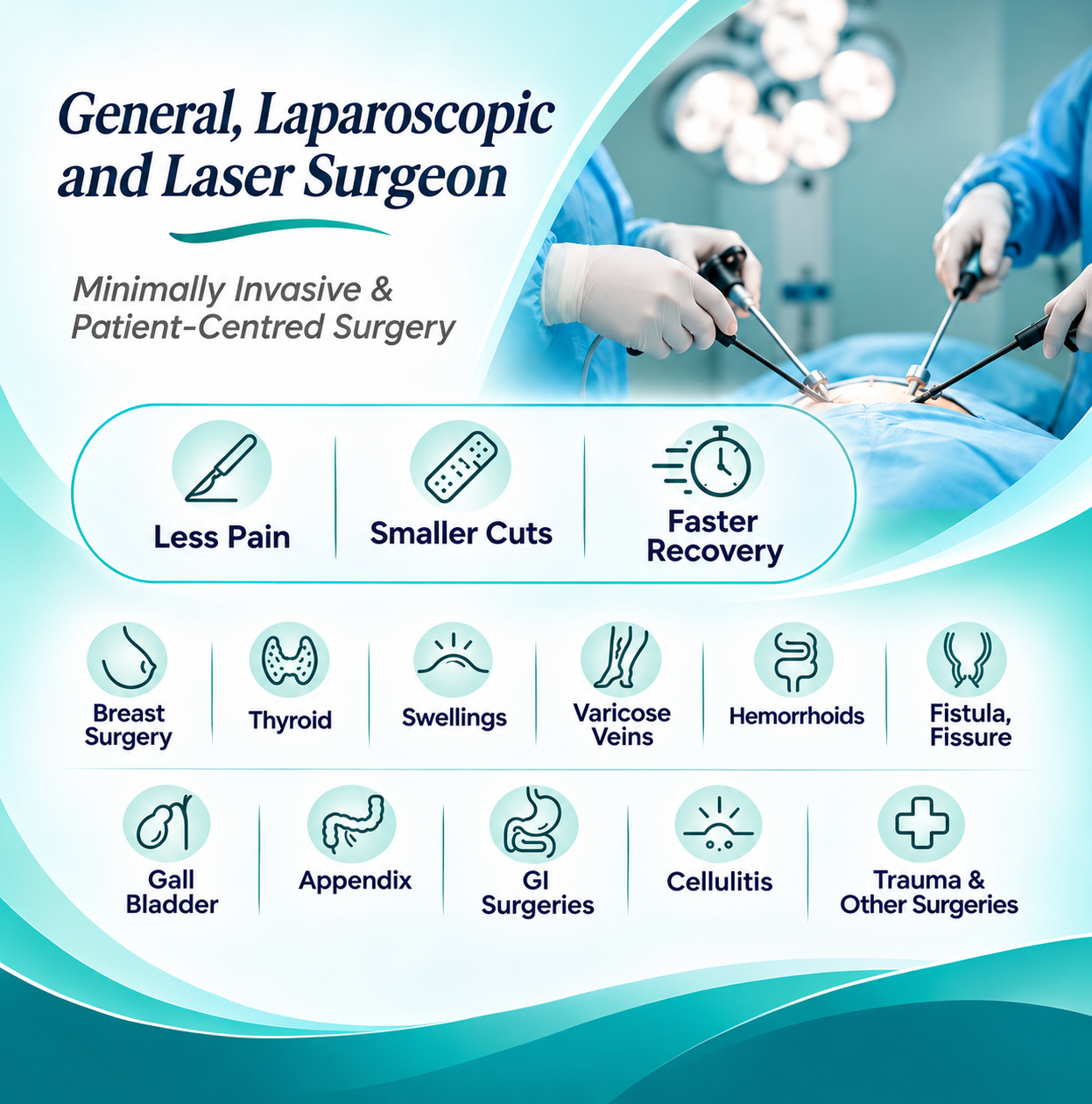
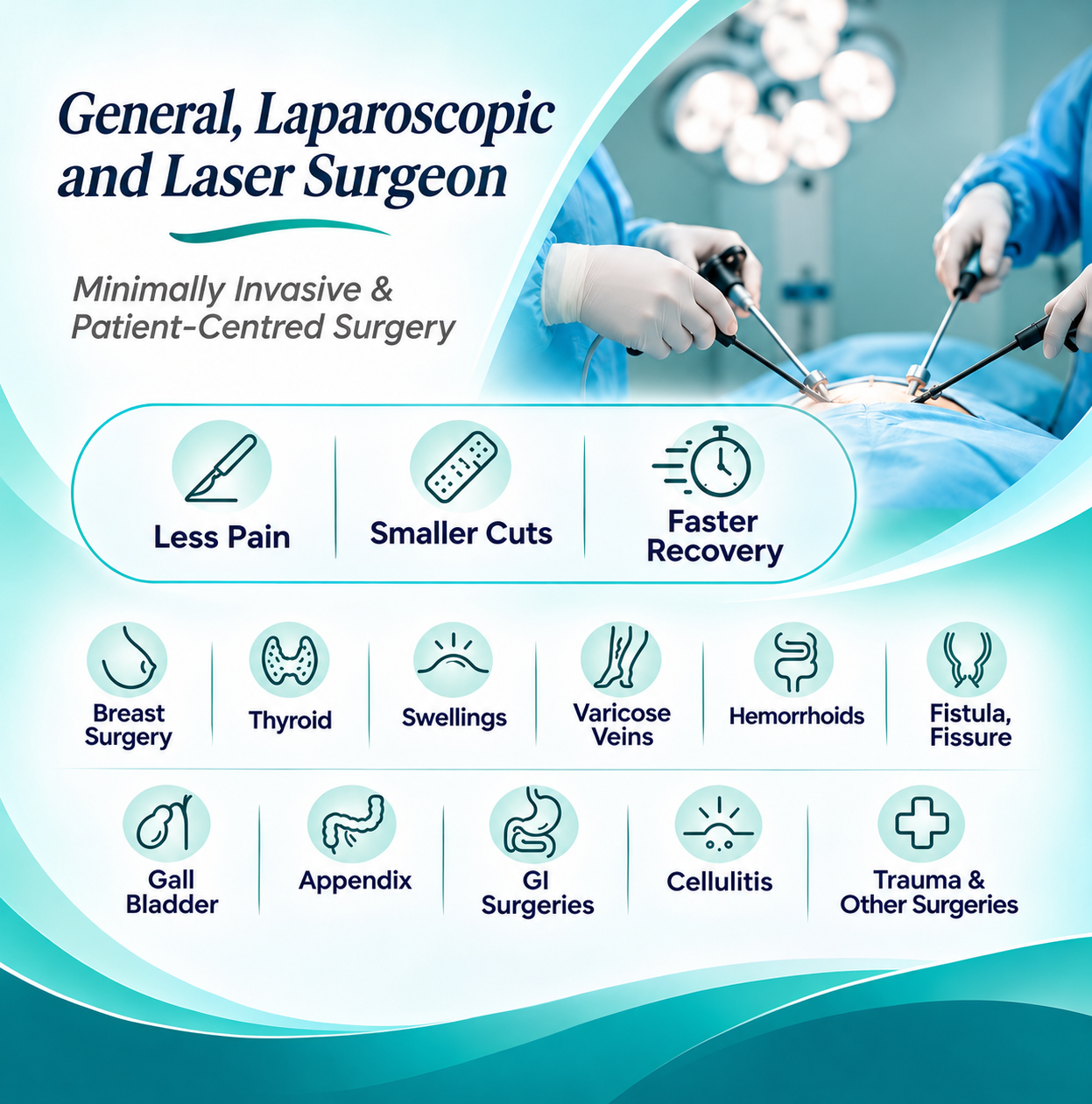
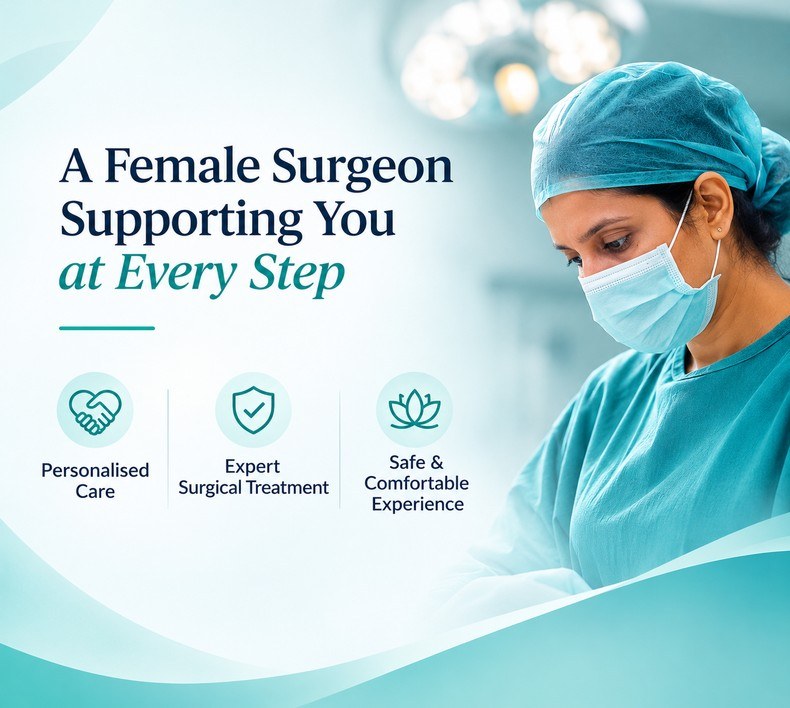
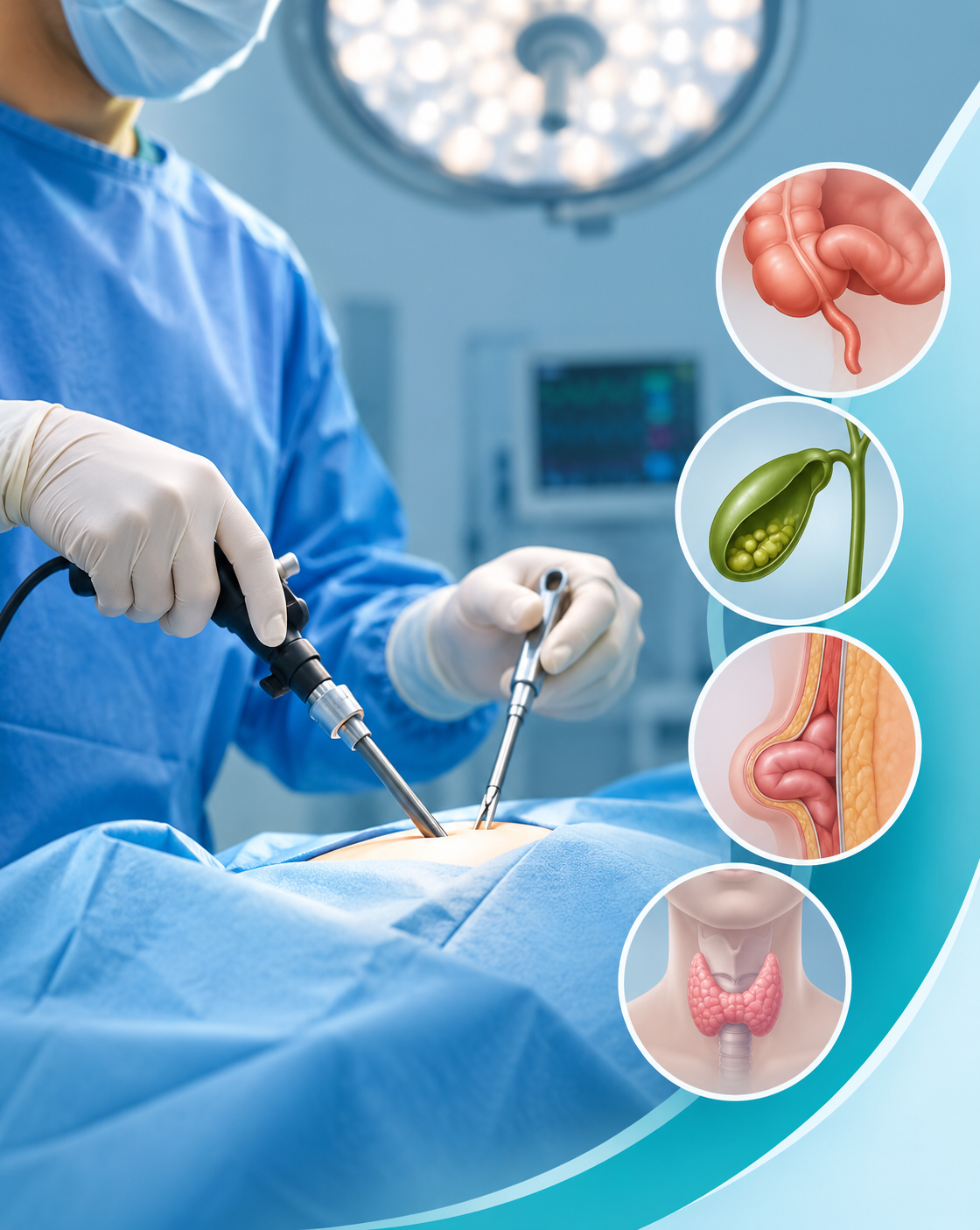
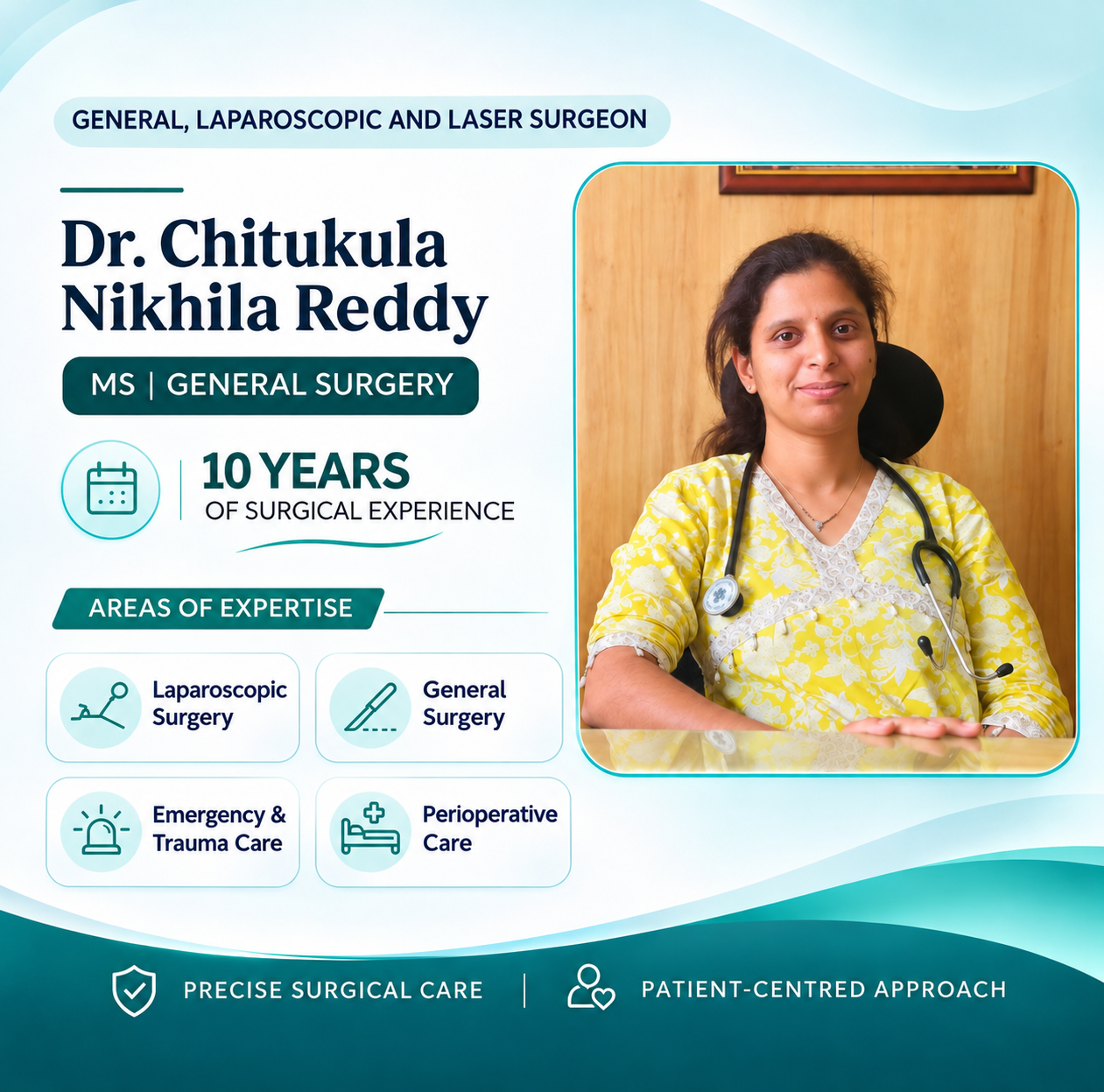
Dr. Nikhila Reddy is a laparoscopic, laser and general surgeon with 10 years of experience in general, breast, thyroid, gall bladder, appendix and GI surgeries.
Compassionate Surgical Care with Precision

Dr. Nikhila Reddy- General & Laparoscopic Surgeon

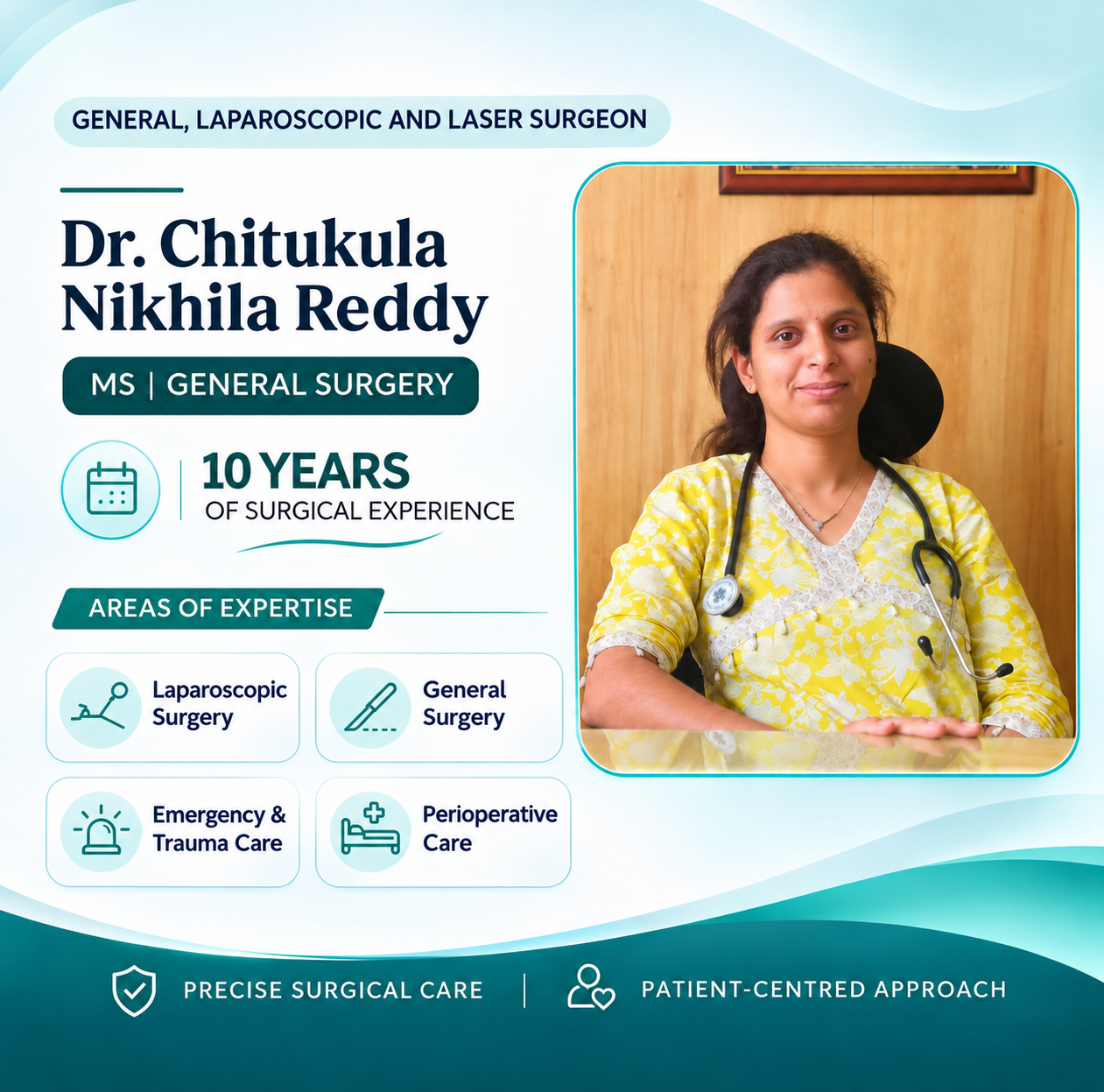
Dr. Chitukula Nikhila Reddy is a qualified General and Laparoscopic Surgeon with an MS in General Surgery and 10 years of clinical and surgical experience. She is committed to providing ethical, evidence-based and patient-centered surgical care, with a strong focus on precision, safety and personalized treatment.

Her clinical experience at Chalmeda Anand Rao Institute of Medical Sciences and Sunshine Hospitals, Karimnagar, has helped her develop expertise in managing a wide range of surgical conditions, including elective and emergency cases. Her areas of practice include general surgery, laparoscopic procedures, emergency and trauma management, and comprehensive preoperative and postoperative care.


Her Approach to Patient Care


Dr. Reddy believes that quality surgical care begins with understanding the patient. She focuses on thorough clinical evaluation, explaining treatment options and developing an appropriate surgical plan based on individual needs.


She values informed decision-making, clear communication and attentive follow-up. From the first consultation to treatment and recovery, her aim is to ensure that patients and their families feel informed, supported and confident.


Her Vision


Her vision is to make safe, ethical and advanced surgical care accessible while continuously improving patient outcomes through clinical excellence and compassionate practice.


Her Mission


Her mission is to deliver evidence-based surgical care tailored to individual needs, priorities patient safety at every stage, encourage informed treatment decisions through clear communication, follow precise surgical techniques and support patients throughout their recovery.


Her Clinical Philosophy


Dr. Reddy believes that successful surgical care combines sound clinical judgement, technical precision and compassionate patient engagement. She is committed to maintaining high standards of infection control and surgical safety while ensuring respectful and personalized attention for every patient.


As a certified BLS and ACLS instructor, she also contributes to healthcare training and life-saving preparedness, reflecting her commitment to promoting safer clinical practices.

  • 10+

    Years of Experience

  • 100+

    Types of Surgeries Performed

  • 50+

    Types of Laparoscopic Surgeries Done

  • 10K+

    Lives Touched

Our Services

Patient-focused healthcare services.

Patient-focused healthcare services.
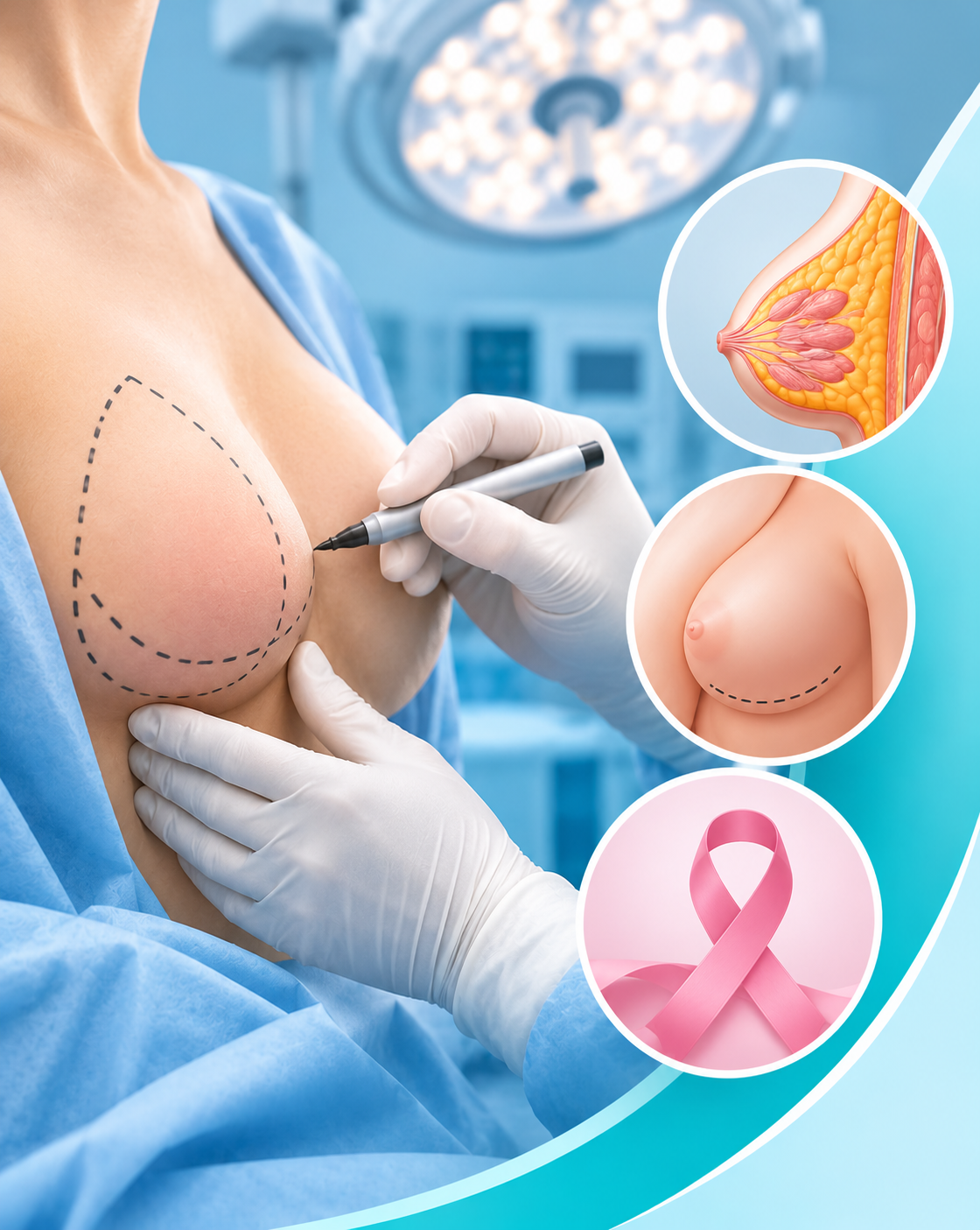
General Surgeries
Patient-focused healthcare services.
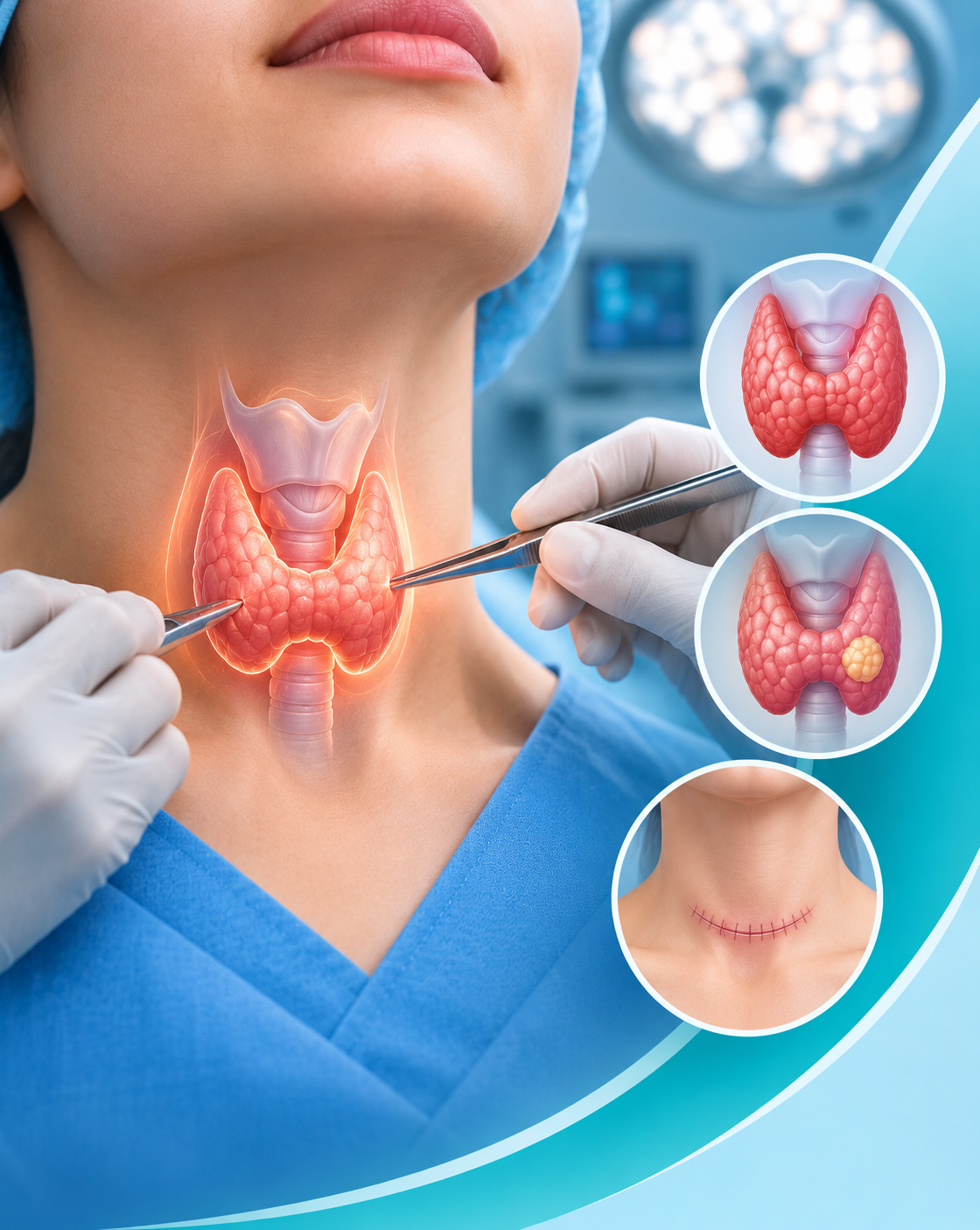
Breast Surgeries
Patient-focused healthcare services.
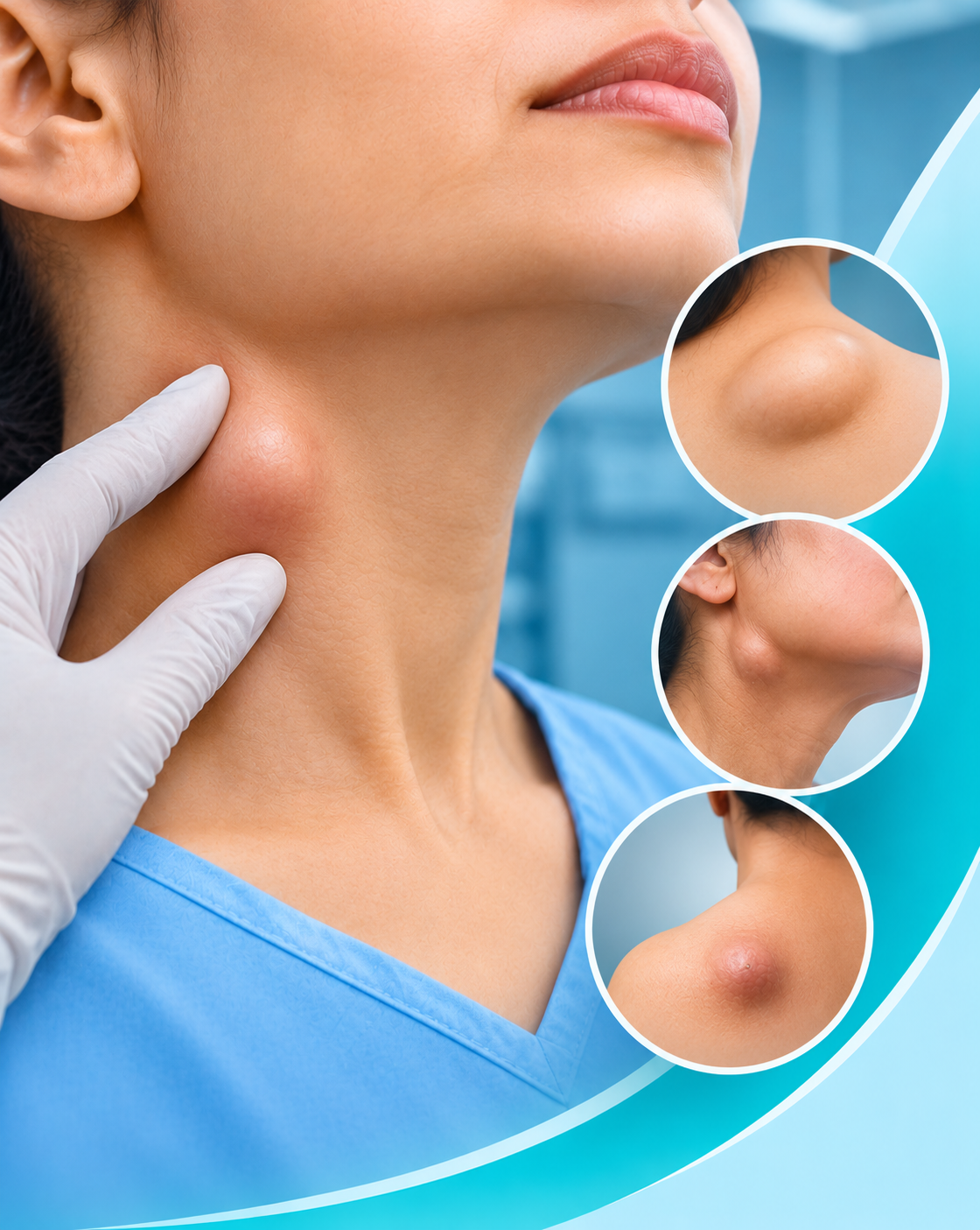
Thyroid Surgeries
Patient-focused healthcare services.
Swellings
Patient-focused healthcare services.

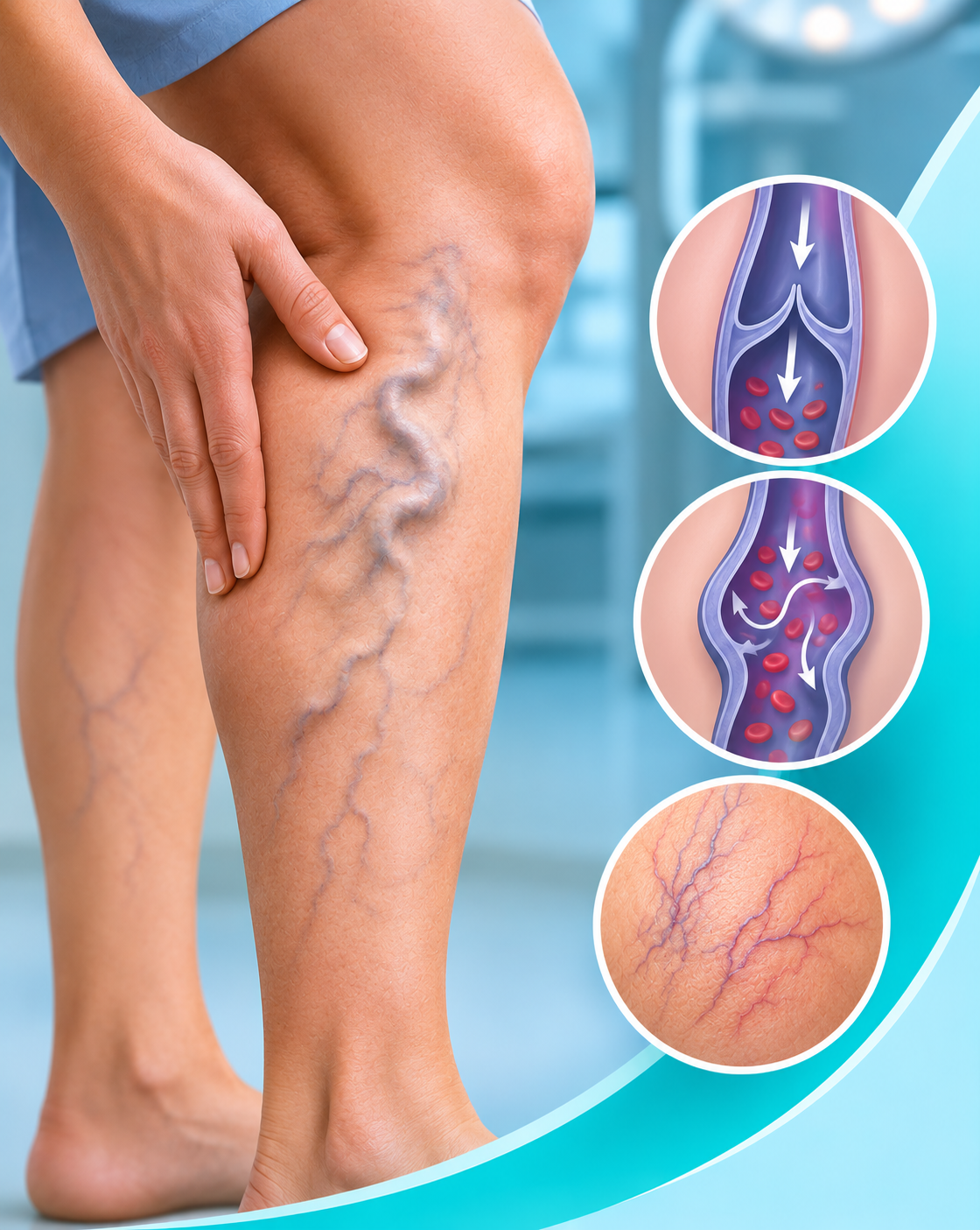
Varicose Veins
Patient-focused healthcare services.
Hemorrhoids, Fistula and Fissures
Patient-focused healthcare services.
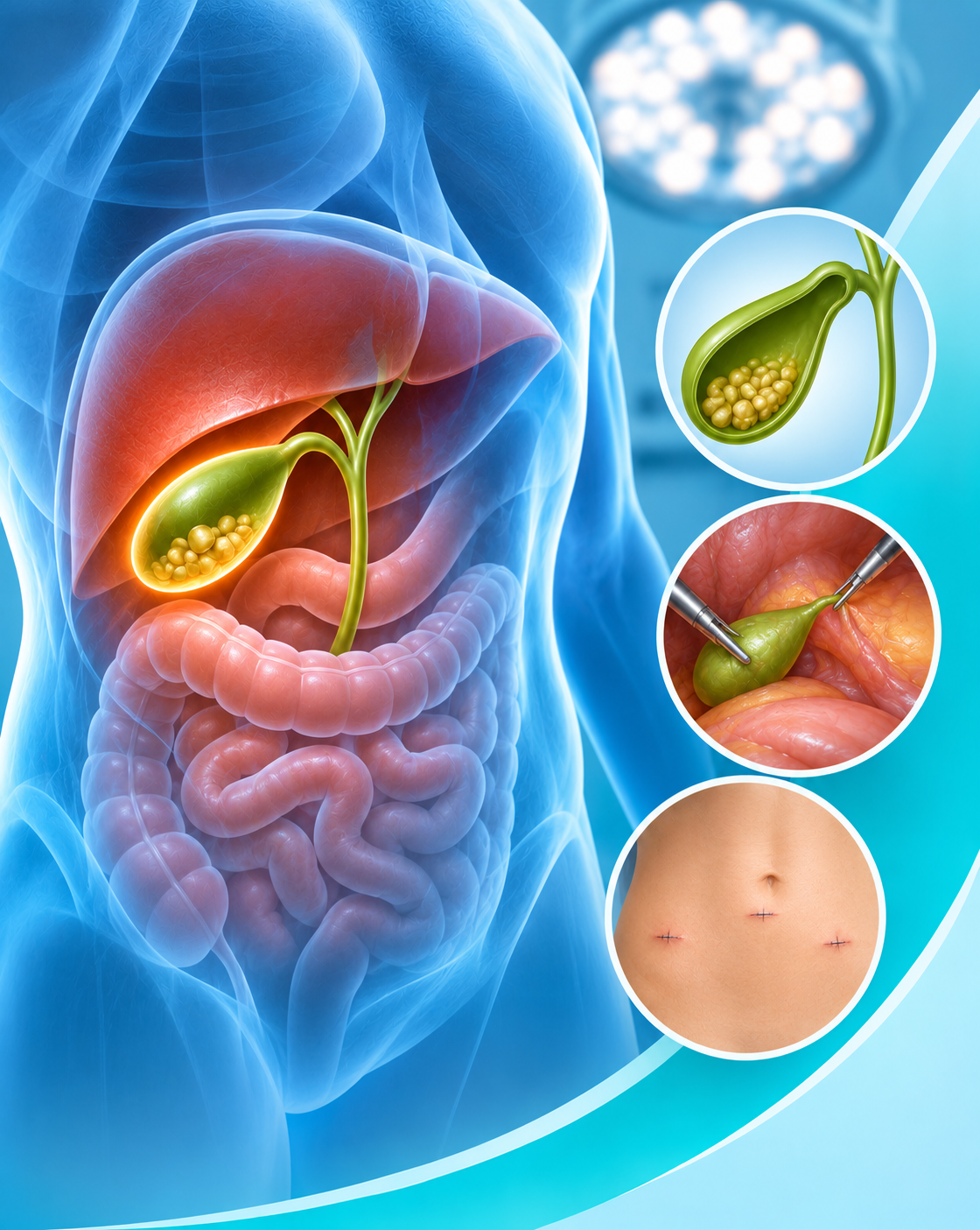
Gallbladder Surgeries
Patient-focused healthcare services.

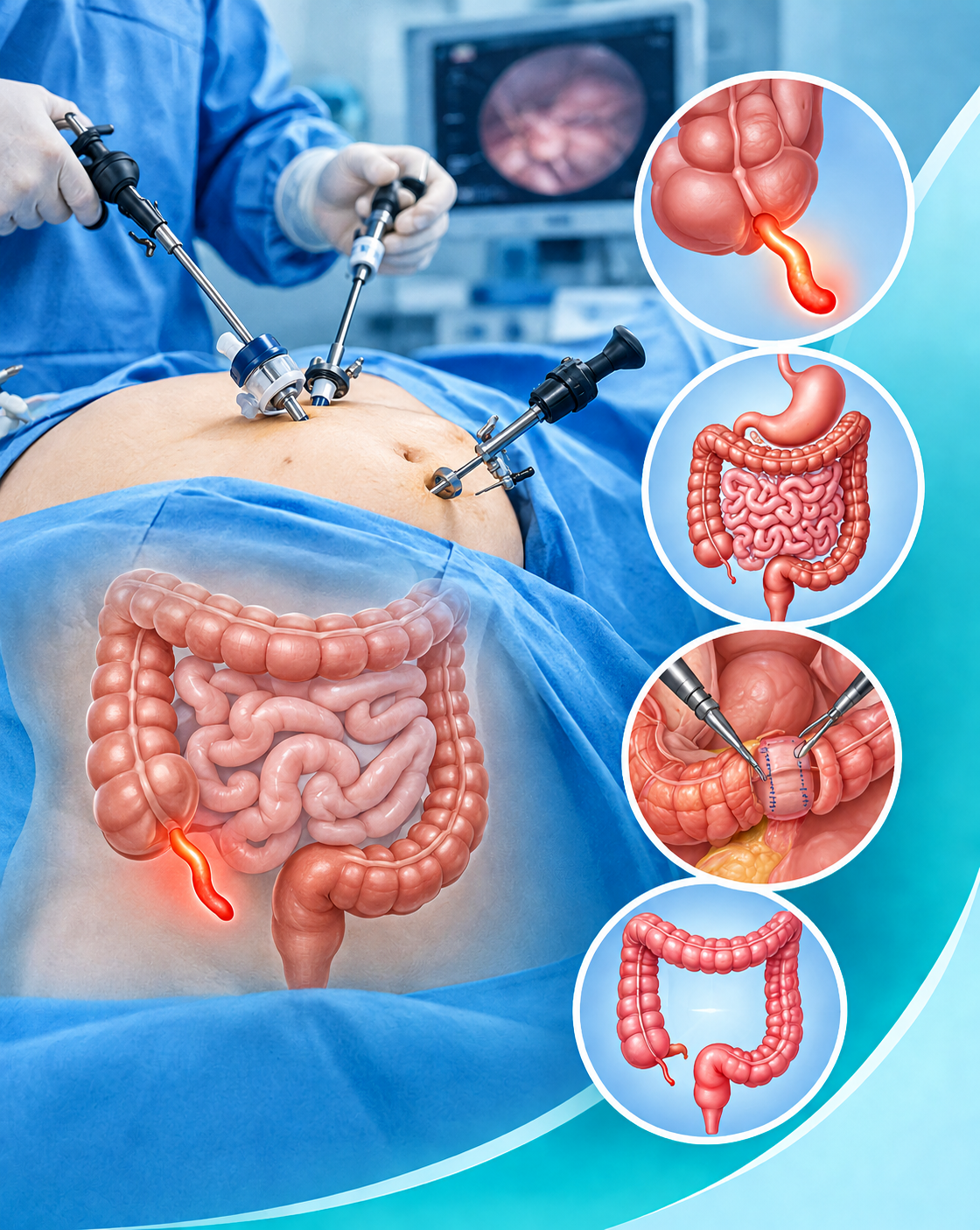
Appendix and GI Surgeries
Patient-focused healthcare services.
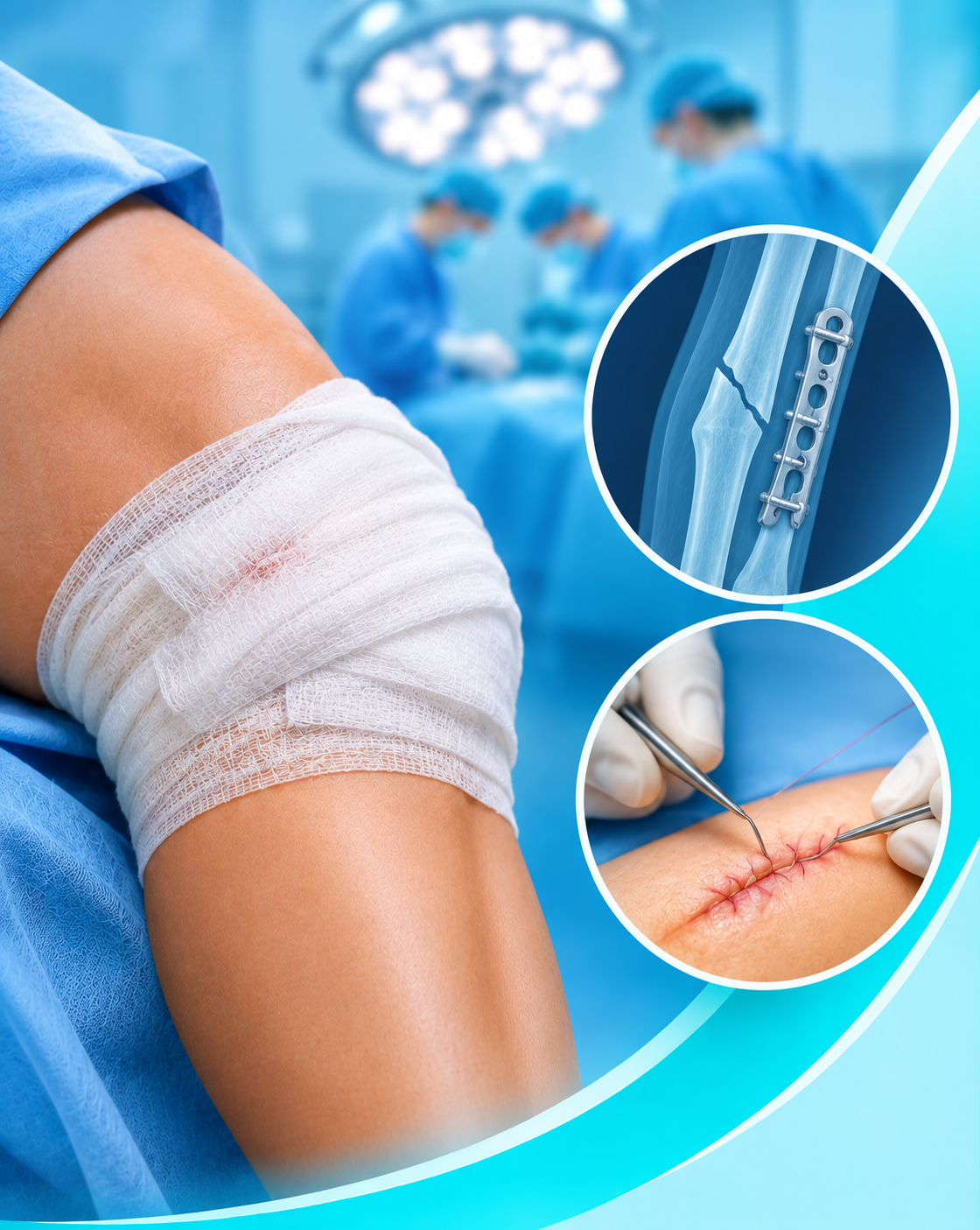
Cellulities
Patient-focused healthcare services.
Trauma and Other Surgeries

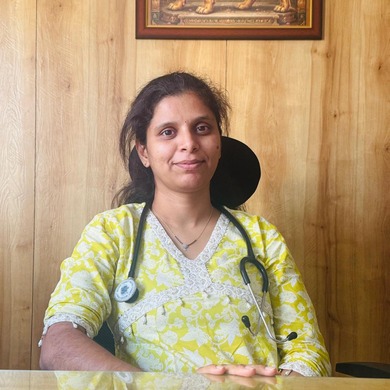
Dr. Nikhila Reddy

Laparoscopic, Laser and General Surgeon
In person
Dr. Nikhila Reddy
Qualification:MBBS, MS (Gen and Laparoscopic Surgery)
Experience:10.0 Years
Licence No.:TSMC/FMR/01479
Meet Dr. Nikhila Reddy, a dedicated Laparoscopic, Laser and General Surgeon known for combining surgical precision with compassionate, patient-focused care. With 10 years of experience and strong training in MBBS and MS in General and Laparoscopic Surgery, Dr. Nikhila Reddy brings a thoughtful, evidence-based approach to every consultation and procedure. Her practice is guided by a clear vision: delivering excellent patient care with surgical precision while ensuring that every patient feels heard, informed, and supported throughout their treatment journey. Dr. Nikhila Reddy offers comprehensive surgical care across a wide range of conditions and procedures, including general surgeries, breast surgeries, thyroid surgeries, treatment for swellings, varicose veins, hemorrhoids, fistula and fissures, gall bladder surgeries, appendix and GI surgeries, cellulitis, trauma care, and other surgical needs.

Frequently Asked Questions

Common questions patients ask about Laparoscopic, Laser and General Surgeon care

A laparoscopic, laser, and general surgeon evaluates and treats a wide range of surgical conditions affecting the abdomen, skin, soft tissues, veins, breast, thyroid, and digestive system. Common concerns include gallbladder stones, appendicitis, hernia, piles, fissure, fistula, varicose veins, swellings, breast lumps, thyroid disorders, and selected trauma-related surgical problems. The exact treatment depends on your symptoms, examination findings, and any scans or blood tests. Many conditions can be managed safely and effectively with modern surgical techniques.

Laparoscopic surgery is a minimally invasive technique in which the surgeon operates through very small cuts using a camera and fine instruments. Compared with traditional open surgery, it often causes less pain after the procedure, smaller scars, shorter hospital stay, and faster recovery for many patients. However, not every condition is suitable for laparoscopy. Your surgeon will recommend the safest option based on your diagnosis, medical history, and the complexity of the problem. The goal is always effective treatment with the best possible recovery.

Laser surgery uses focused light energy as part of treatment for selected conditions. In general surgical practice, laser-based techniques may be considered for problems such as piles or certain soft tissue conditions, depending on what is medically appropriate. Many patients ask for laser surgery because they hope for less discomfort and quicker return to routine activities. While that can be true in some cases, the right treatment should be chosen based on the condition itself, not just the technology. Your surgeon will explain whether laser treatment is suitable for you.

Not every problem needs an operation. Some conditions improve with medicines, diet changes, wound care, observation, or minor office-based procedures. Surgery is usually considered when symptoms are severe, repeated, not improving with conservative treatment, or when there is a risk of complications. During consultation, the surgeon reviews your symptoms, examines you, and may advise tests such as ultrasound, blood work, or scans. Based on these findings, you will receive a clear explanation of whether surgery is necessary, urgent, elective, or avoidable at that stage.

Modern laparoscopic and laser procedures are generally considered safe when performed for the right indication, in the right setting, and after proper evaluation. As with any medical procedure, there are still possible risks such as bleeding, infection, anesthesia-related problems, pain, recurrence, or the need to convert to an open surgery if required for safety. Most patients do well, especially when they follow preoperative and postoperative advice carefully. Your surgeon will discuss the benefits, alternatives, expected outcomes, and potential risks so you can make an informed decision with confidence.

A general surgery consultation may be needed for abdominal pain, gallstones, appendicitis, hernia, breast lumps, thyroid swelling, non-healing wounds, abscess, cellulitis, varicose veins, piles, fissure, fistula, swellings under the skin, or unexplained masses. You should also seek evaluation if you have recurring infection, pain during bowel movements, bleeding, persistent vomiting, sudden swelling, or symptoms that do not improve with routine treatment. Early consultation often helps detect the problem sooner and may allow simpler treatment before complications develop.

Your first visit usually includes a detailed discussion about your symptoms, past medical history, previous surgeries, ongoing medicines, allergies, and any existing conditions like diabetes or high blood pressure. The surgeon may perform a physical examination and advise tests such as blood tests, ultrasound, endoscopy, or other imaging if needed. This appointment is also your chance to ask questions about diagnosis, treatment choices, cost, recovery time, and whether surgery is urgent. Most importantly, you should leave with a better understanding of your condition and the next steps.

Preparation depends on the procedure, but patients are often advised to complete blood tests, scans, and anesthesia fitness evaluation before surgery. You may need to stop certain medicines temporarily, especially blood thinners, but only under medical guidance. Fasting instructions are usually given for several hours before the procedure. It is also helpful to arrange transport, time off work, and support at home for the first few days. If you have fever, cough, or any new health issue before surgery, inform your surgical team promptly.

Recovery varies based on the type of surgery, your overall health, and whether the procedure is laparoscopic, laser-based, minor, or open. Many minimally invasive procedures allow earlier walking, shorter hospital stay, and faster return to light activities compared with traditional surgery. Even so, healing still takes time, and lifting, exercise, wound care, diet, and bowel habits may need temporary adjustments. Your surgeon will provide specific instructions for pain control, activity level, dressings, bathing, and follow-up. Following these instructions carefully can make recovery smoother and safer.

You should seek urgent medical or surgical evaluation if you have severe abdominal pain, persistent vomiting, high fever, sudden swelling, redness spreading quickly over the skin, uncontrolled bleeding, difficulty passing stool with severe pain, pus discharge, black stools, fainting, chest discomfort, or a painful lump that becomes hard or irreducible. After surgery, warning signs also include increasing pain, fever, wound discharge, breathing difficulty, or heavy bleeding. Quick assessment is important because some surgical problems can worsen rapidly and may need timely treatment.

Yes, surgery or procedure-based treatment can help many patients with piles, fissure, fistula, and varicose veins, especially when symptoms are persistent, painful, recurrent, or not improving with medicines and lifestyle changes. However, the treatment plan depends on the stage and severity of the condition. Some patients benefit from dietary measures, medicines, and minor procedures, while others may need laser, minimally invasive, or conventional surgical management. The right option is selected after proper examination so that treatment addresses the cause and not just temporary symptoms.

Yes, follow-up visits are an important part of safe surgical care. These appointments allow the surgeon to check wound healing, review biopsy or lab reports if applicable, monitor recovery, adjust medicines, and answer any concerns about pain, activity, diet, or return to work. Follow-up is also useful to detect complications early and reduce the chances of recurrence in some conditions. Even if you feel well, attending scheduled reviews is recommended because healing on the outside does not always reflect complete internal recovery.

Location & Location Map

Location
addressAddress

In sree deepika hospital ,Vavilalapally At govt Matha Shishu Hospital Chowrasta Prashanth nagar, Chowrasta, colony,, Karimnagar 505001, Telangana


Working Hours

MONDAYClosed
TUESDAYClosed
WEDNESDAYClosed
THURSDAYClosed
FRIDAYClosed
SATURDAYClosed
SUNDAYClosed

Contact Us

Contact Us

  • Email: reddynikhila.7@gmail.com
  • Phone: 8978833868

Website Powered by icareheal

© Dr. Nikhila Reddy 2025